Contents
Scroll to:
https://doi.org/10.23947/2687-1653-2025-25-4-2238
EDN: CLJRZJ
Scroll to:
Introduction. In the context of digitalization of the agricultural sector, precision farming becomes a key driver of sustainability: wireless sensor networks (WSN) provide continuous monitoring of edaphoclimatic parameters and plant health, supporting yield forecasting and resource optimization while reducing operational risks. Despite significant progress in research on energy efficiency, routing, and topologies of WSN, the issue of their systemic reliability in real agricultural scenarios has been addressed only fragmentarily. Existing theoretical approaches rely on graph theory, Markov and quasideterministic models to assess connectivity and fault tolerance but do not sufficiently account for battery degradation, radio channel variability, and external factors (microclimate, interference), as well as their combined effects. The objective of this article is to develop a methodological approach to enhance the reliability of WSN for monitoring agricultural objects through a multilevel model that integrates network parameters, hardware properties, and external actions.
Materials and Methods. To develop the model, methods of system analysis were used, including analysis and synthesis of previously known models and algorithms for controlling the WSN for various levels of network interaction. At the first stage, analytical models of each level were examined: operating conditions of radio devices; physical channels with interference and hardware distortions; energy losses of nodes in channels with variable environmental characteristics; linear WSN with heterogeneous radio communication segments and clustering of WSN. At the second stage, an analysis of WSN control algorithms was conducted: selection of transmission modes with minimal signal distortion; optimization of signal structure with minimal Bit Error Rate (BER); control of data packet length and transmitter power; balancing of energy losses in relay nodes, as well as routing with minimal time and energy losses. At the third stage, the synthesis of the obtained results was performed, presenting a hierarchical monitoring infrastructure for the agricultural object that considered all levels of WSN interaction, parameters of sensor nodes, and the external actions.
Results. A methodological multilevel approach to increasing the reliability of WSN for monitoring agricultural facilities has been proposed and substantiated. This approach integrates network parameters, equipment properties, and external actions. It is validated by modeling the improvement of energy efficiency, reduction of delays, and increase in fault tolerance. Within this framework, a five-tier hierarchical concept of multilevel network infrastructure for monitoring agroindustrial objects based on WSN has been developed. It incorporates models and algorithms at the levels of: devices, physical channels, data transmission channels, linear routes, and networks. Single-level and inter-level dependences linking performance indicators, destabilizing factors, and controllable parameters have been established.
Discussion. The presented approach addresses the gap between energy models and the consideration of dynamic/information constraints of nodes, while also taking into account the actual operating condition of modems, and the thermal dependence of power sources. The multilevel integration of criteria (from signal shape correlation indicators to network probabilistic metrics of WSN integrity) allows for the alignment of local optimization and system goals, reducing the risk of conflicts between levels. The principle of level matching and external augmentation provides iterative adjustments of requirements and parameters, which increases the robustness of decision-making to environmental uncertainty and channel heterogeneity. Constraints of the current work include the need to calibrate models for specific hardware profiles, the dependence of efficiency on available PHY/MAC modes and ARQ protocols, and sensitivity to the accuracy of interference environment and temperature assessments.
Conclusion. The developed models and algorithms across five levels provide the specified metrics of interference resilience, delivery time and energy consumption with the minimum required involvement of resources, which increases the survivability and service life of the WSN. The proposed approach creates the basis for the transition to systemically designed, reproducible solutions in precision agriculture. It reduces resource costs and environmental impact, and also increases the sustainability and profitability of agricultural production. Scaling requires field testing and publication of reference configurations and codes for reproducibility.
Samoylenko V.V. Concept of a Multilevel Network Infrastructure for Monitoring Agricultural Facilities Based on Wireless Sensor Networks. Advanced Engineering Research (Rostov-on-Don). 2025;25(4):371-382. https://doi.org/10.23947/2687-1653-2025-25-4-2238. EDN: CLJRZJ
Introduction. The development of the agricultural industry is inextricably linked to the implementation of modern digital control systems through the concept of the Internet of Things (IoT) [1]. One of the key technological concepts of precision agriculture is wireless sensor networks (WSN) [2]. The use of this technology allows for the transition from reactive to predictive and precise control. WSN is actively used for monitoring agricultural facilities, including:
The key benefits of digitalization in agricultural production include optimized energy consumption, which reduces costs for water, electricity, fertilizers, and pesticides by 20–30%, and increases yield and product quality by 10–15%. From an environmental perspective, precision management reduces greenhouse gas emissions through optimizing logistics and agrochemical application. A systematic approach to digitalizing agribusiness enables remote monitoring and management, as well as data-driven decision-making.
Despite the achievements, the problem of providing the reliability of WSN has not yet found a complete solution to most applied problems, although the first studies in this area date back to the early 2000s [9]. A common shortcoming of existing research on the reliability of WSN is the emphasis on the dynamic and information constraints of nodal modules, rather than on their energy potential. This leads to an incomplete consideration of factors affecting reliability. For example, in [10], despite the consideration of the energy consumption model and the power supply capacity, the volume of data and energy costs for communication remain without due attention because of their impact on the interlayer performance indicators of the WSN.
On the other hand, overestimating the impact of destabilizing environmental factors causes irrational and excessive consumption of energy resources. Some of these shortcomings are taken into account in [11], where the reliability assessment is based on the hierarchical trust rule base method. Nevertheless, a significant number of factors affecting the reliability of WSN remain, including:
However, numerous studies fail to take into account the actual technical condition of sensor nodes. Mass production technology for inexpensive electronic devices does not provide high accuracy and reproducibility of their characteristics. The major challenge in deploying WSN remains the limited energy supply of sensor nodes, with no ability to recharge or quickly replace batteries. Therefore, minimizing energy consumption becomes paramount even at the network design stage. Improving the energy efficiency of sensor network nodes is a priority [12].
Scientific research on the analysis of operating time of the WSN node shows that the most energy-dependent operating modes are the active traffic transmission modes [13]. This is due to the operation of the network interface during the reception, transmission and waiting for data.
Power supply reliability plays a key role, as in numerous cases there is no redundancy. A power supply failure, particularly a reduction in its capacity, can disable a local sensor node and, consequently, affect the operation of the entire network. The problem is compounded by the limited maximum capacity of the batteries used and the significant cost difference between higher-capacity power supplies.
A number of methods are proposed to reduce the energy consumption of sensor nodes, in particular: approaches aimed at saving energy through optimizing the operating cycles of the transmitter; methods for adapting the transmitter and receiver to changing external conditions; methods for optimizing routing and correcting the network topology taking into account the energy consumption of each node [14]. Various energy balancing methods are used to equalize the power consumption of all network nodes. Furthermore, one solution to this problem is to optimize WSN coverage, including cluster and non-cluster approaches [15].
However, known studies lack sufficient scientific groundwork in the area of multi-level research into WSN designed for monitoring agroindustrial facilities. A method for analyzing local and global states of hierarchical multicomponent systems under uncertainty is presented in [16]. However, without adaptive tracking of the boundaries of the uncertain impact of environmental factors, it is difficult to formulate decisions on the economical use of network resources. The multilevel synthesis methodology developed in [17] offers a set of iterative procedures for end-to-end system design, from the formation of the initial design to working detailing, but its applicability is limited to the initial phases of the life cycle, including development and design.
A number of principles and models for making coordinated decisions for various levels and stages of the functioning of the WSN are presented in [18]. Most of these studies rely on the principle of vertical “top-down” decomposition, according to which the characteristics of the synthesized system are determined using a multi-level procedure: from a general system model with corresponding indicators, parameters of conditions, constraints and control — to lower-level models with their indicators and parameters. The disadvantage of this approach is the rigidity and low efficiency of management, since the decision-making process does not include a preliminary detailed analysis of the resource potential of lower-level elements.
Current research [19] proposes the implementation of multilevel synthesis of WSN based on the principles of level coordination and external supplementation. According to the first principle, requirements formed at any level of the system act as constraints when selecting models and determining the functional capabilities of the underlying levels. If these requirements cannot be met, iterative adjustments to the conditions and results of modeling at higher levels are made. The principle of external supplementation involves obtaining results at the lower level, verifying them through data and methods from higher levels, and, if necessary, refining these results when moving on to the synthesis of the higher-level system.
Despite the significant benefits of using modern digital technologies to intensify agricultural production, including a 20–30% reduction in production costs and a 10–15% increase in yields, the active implementation of such solutions is hampered by the lack of a systematic approach to the technical implementation of digital infrastructure. Each of the solutions discussed in the literature contributes to improving the energy efficiency of the food processing system. However, in the context of the objectives posed in this study, their direct application is difficult or impossible.
The literature review revealed a significant gap in scientific knowledge: lack of comprehensive, multilevel models of precision farming systems based on the WSN platform. Such models should be designed to comprehensively address issues related to energy resource depletion and limitations of sensor node radio transmission elements.
The objective of this research is to develop a new methodological approach to providing the reliability of wireless communication systems. The approach is based on the creation of a comprehensive, multilevel model of the network infrastructure for monitoring agricultural facilities, taking into account not only WSN parameters and external factors, but also the synergistic effect of their interaction, including structural-energy, frequency-dynamic, and topological-dynamic aspects.
Materials and Methods. To develop a comprehensive multilevel model of network infrastructure for monitoring agro-industrial facilities (Fig. 1), a systems approach was used. Decomposing the hierarchical model into five levels formed the basis of the study. Specific models and algorithms were previously developed for each level to provide a synergistic effect. The research methodological framework included original results obtained and published by the authors. The key models and algorithms summarized in the developed model are presented below.
A model of the technical condition of the facilities was used at the device level. The coefficient of mutual correlation of the reference and distorted signals was used as a criterion for assessing the state of the radio equipment [20]. This indicator demonstrated a high sensitivity to types of degradation, such as intersymbol distortions and additive noises. To optimize power consumption at this level, algorithms for selecting a transmission mode with minimal distortion were used. These algorithms analyze the communication channel quality in real time and dynamically switch the modulation and transmitter power, providing a balance between communication reliability and efficient resource use. This approach improves both the reliability and battery life of the device.
At the physical channel level, a channel model with interference and hardware signal distortions was used [21]. Analytical models of WSN communication channels represented the dependence of the bit error probability during incoherent reception of messages on the energy and stochastic parameters of the distorted signal and additive interference at the receiver input. These models provide highly accurate predictions of communication quality under unstable fading and impulse noise conditions. This level utilizes an algorithm for optimizing the signal structure with a minimum bit error rate (BER). Its operation is based on the adaptive symbol duration selection and the use of hidden error-correcting coding, which guarantees reliable data transmission while maintaining total channel throughput.
At the data link channel level, a model of node energy losses in a channel with variable environmental characteristics was used [22]. This model established an analytical relationship between the bit error probability (BEP), node heating temperature, signal fading depth in the channel (Rician K factor), and signal-to-noise ratio (SNR). Taking into account the thermal state of the node allowed us to predict its energy consumption and reliability during operation. A specialized algorithm was used to manage data packet length and transmitter power. It dynamically balanced the need to retransmit short packets and the energy costs of transmitting long ones, minimizing the total energy loss in a changing interference environment. This significantly increased network battery life without compromising the reliability of transmitted information.
At the route level, a linear WSN model with heterogeneous radio sections and algorithms for route balancing of energy losses in relay nodes were used [23]. Analytical models of time and energy losses took into account internode distances, transmitter power, and the characteristics of multipath signal propagation. Based on the dependence of time losses on the number of relays, heterogeneous WSN deployment algorithms with a criterion for minimizing network delay were used, which did not limit resources. This provided scheduling flexibility for both resource-rich and resource-constrained tasks. Balancing algorithms redistributed the load between nodes, preventing premature failure due to energy depletion and extending the overall network lifespan. Thus, this combination of models and algorithms optimized the key network metrics — energy efficiency, latency, and survivability.
At the network level, a WSN clustering model was used that took into account mutual interference in channels and the residual charge of node batteries, as well as routing algorithms with minimal time and energy losses [24]. The conducted research made it possible to form a sufficient number of connections between nodes that met communication reliability criteria, standardized in accordance with the requirements for noise immunity and timeliness of data packet transmission. Routing algorithms dynamically adapted to changing interference levels and node residual energy, selecting a path that balanced delivery speed and energy consumption. The simulation results enabled the implementation of network topology and clustering management algorithms. These algorithms provided self-healing of the network in the event of key node failures and allowed for load redistribution to prevent overload of individual clusters. This approach increased fault tolerance and overall network lifespan in dynamic interference environments.

Fig. 1. Scheme of a multilevel network infrastructure for monitoring agricultural facilities based on wireless sensor networks
Results. The research resulted in a multilevel network infrastructure for monitoring agricultural facilities. The components of this system are presented in Table 1.
Table 1
Components of a Multilevel Reliability Management System for WSN with Account of Various Destabilizing Factors
| Level ν of |
Destabilizing factors ξ(ν) |
Performance indicators φ(ν) |
Managing optimized parameters ϖ(ν) |
Resource limitations Ων |
Additional (proposed for consideration) conditions ζ(ν) |
|
1 – device |
Hardware defects that distort signal |
Relative signal distortion index |
Redistribution of energy in signal frequency band |
Regime |
Radio frequency fingerprints of modems with various defects |
|
2 – physical channel |
Off-net interference with variable frequency |
Bit error rate (BER) |
Selection of phase-code structure of signal |
Structural-code |
Unevenness of signal spectra and interference |
|
3 – data link channel |
Variability of ambient temperature, multipath signals |
Packet loss probability (PER), retransmission rate. Node energy loss per communication round |
Data packet fragmentation. Optimization of transmission power level |
Energy; presence of ARQ protocol |
Temperature-dependent discharge characteristics of batteries |
|
4 – linear route |
Heterogeneity of different route sections |
End-to-end packet delay. Node energy balance |
Adaptive alternation of node activity |
Hardware; dynamic |
Features of radio wave propagation |
|
5 – network |
Mutual interference from neighboring nodes |
Number of alternative data transmission routes |
Network topology and clustering management |
Topological |
Topographic conditions of node placement |
Based on the results obtained, the method of multilevel synthesis of WSN is defined as an iterative process consisting of the sequential determination of signal parameters, functional and mobile modes of network nodes, taking into account the limited resources of each level.
As shown in Figure 1, this study presents the following levels of analysis and synthesis of WSN: Q1 — device; Q2 — physical channel; Q3 — data link; Q5 — linear route; Q5 — network.
Each group of characteristics Qν = {φ(ν), ξ(ν), ϖ(ν)}, where ν = 1, 2, 3, 4, 5, includes the following indicators:
The upper-level parameters given by the expression {ϖ(ν+1)}, are constraints for the lower level:
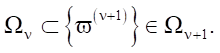 (1)
(1)
Parameters Φν, Ξν, Ων are the ranges of acceptable values for the corresponding indicators. The radio communication system model is a system of deterministic and statistical relationships that combine performance indicators, operating conditions, and control parameters at all hierarchical levels.
The following types of dependences are distinguished.
Single-level dependences that establish a relationship between performance indicators φ(ν), conditions ξ(ν) and selection parameters ϖ(ν) at each ν-th level:
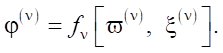 (2)
(2)
Despite the widespread use of these dependences for solving local problems of providing noise immunity within a separate level, their use creates significant difficulties in developing solutions for the optimal distribution of limited system resources between levels.
Interlevel dependences that determine the relationship between performance indicators of the ν-th and (ν – 1)-th levels, conditions of the ν-th and (ν + 1)-th levels, and the selection parameters of the ν-th level:
 (3)
(3)
Efficiency index φ(ν–1) of the underlying level can be taken into account during the synthesis using the “bottom-to-top” pattern, which is typical for the operational stage (including the reliability control of WSN), in contrast to the design stage, which uses “top-to-bottom” synthesis [25].
At each hierarchical level, the object synthesis is realized through optimization of the controlled variables ϖ(ν) within the established constraints Ων. These constraints are formed by the values of the parameters of the adjacent upper level {ϖ(ν+1)}. The need to move to a higher level arises when it is impossible to provide the required energy reliability with local resources, which involves the system resources. This decision is made with a comprehensive consideration of environmental factors at the synthesized level, including temperature conditions and interference environment.
Following the procedure for the mathematical description of complex objects adopted in the systems approach [26], the key stage of modeling is the formation of a system of performance indicators and optimization criteria. These parameters serve as the basis for the synthesis of optimal resource allocation algorithms that provide the required reliability of the WSN and allow for the evaluation of the efficiency of management decisions under conditions of multilevel external actions. At the same time, the selected indicators and criteria should provide a quantitative assessment of the degree of implementation of basic functions by network nodes at all hierarchical levels, guaranteeing the achievement of the established target values in accordance with the system intended purpose.
The criterion for the operation of an object in a ν-th level system defines the range of acceptable values of the performance indicator  , where φ(ν) ∈
  . In the context of providing the reliability of WSN, it is advisable to distinguish two criteria: suitability and optimality.
With limited resources and scalar indicator φ(ν), the suitability criterion  defines the target area
  , where
  — permissible value of the indicator. This allows us to formulate the problem of synthesizing energy efficiency algorithms as an inverse optimization problem — to find the minimum values of resources ϖ(ν) ∈ Ων that provide the achievement of permissible values of the efficiency indicators.
For optimality criterion  , region
  degenerates into a point corresponding to the maximum value φ(ν) for admissible values of the selection parameters ϖ(ν) ∈ Ων and given selection conditions. In this context, the development of control algorithms is reduced to solving the direct problem of optimal resource allocation.
Local use of the analyzed criteria does not allow for a comprehensive consideration of the specifics of WSN reliability assurance processes under varying network node operating modes. Therefore, it is advisable to implement a multilevel reliability management process based on the principle of sufficiency, which provides improved system performance with minimal additional resource expenditure.
The practical implementation of the sufficiency principle is based on an iterative parameter selection process, where migration between hierarchical levels occurs with increasing resource expenditures required to obtain specified reliability indicators. At each step, the sufficiency of the solutions generated to meet established performance standards is verified. The tools for implementing this approach include a set of suitability criteria and a hierarchical set of models that provide information support for making design decisions at all stages of the synthesis of the complex system.
Additional conditions for selecting solutions ζ(ν), taken into account in this work, include: z(1) — radio frequency fingerprints of modems with various defects; z(2) — unevenness of signal spectra and interference; z(3) — temperature-dependent discharge characteristics of batteries; z(4) — features of radio wave propagation; z(5) — topographic conditions of node placement.
Taking into account the hierarchical organization of resources described by a chain of nested sets:

where the volume and cost of resources grow with increasing system level, the selection of solutions to provide a given level of noise immunity requires prioritizing the use of lower-level resources. In this case, the general problem statement is as follows:
– based on the known and developed single-level and multilevel models of types (2) and (3) of the radio communication system, taking into account both basic conditionsξ(ν) — destabilization factors, and additional conditions ζ(ν) for selecting a solution, to determine the minimum level n* of the system under study, at which, due to the optimal distribution of the resource ϖ(ν) ∈ Ων, the performance quality indicator of WSN f(n)* is ensured to be not lower than the permissible (required) value  . In this case, value
  is calculated taking into account the required reliability of the WSN, determined by the supersystem.
In the mathematical formulation, this problem has the form:
needs to be determined
 (4)
(4)
at which
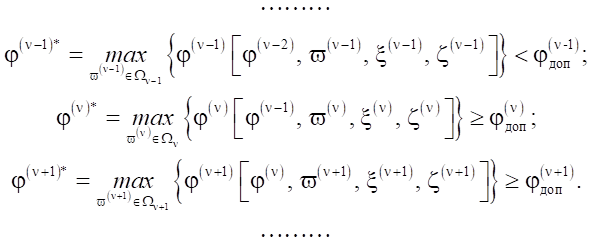 (5)
(5)
The general scientific problem is solved step-by-step (in accordance with the considered levels of reliability assurance of the WSN) through sequentially checking the fulfillment of inequalities (5). The left-hand side of each of the inequalities (5) represents the solution to a specific research problem, in the formulation of which the optimality criterion is used. Taking into account certain characteristics of the multilevel representation of the WSN, the specific research problems are:
 (6)
(6)
 (7)
(7)
 (8)
(8)
 (9)
(9)
 (10)
(10)
As follows from expressions (6)–(10), the ranges of change of the variable parameters ϖ(ν) are limited by the resource capabilities of the system Ων at the corresponding control level ν, in particular:
1) at the device level — by the presence of modes for correcting (pre-distorting) the spectrum of generated signals for optimal redistribution of energy in the modem bandwidth;
2) at the physical level — by the ability to select phase-code designs with direct spectrum expansion to minimize the impact of interference and hardware distortions on the reliability of message reception;
3) at the data link channel level — by the presence of an ARQ protocol in the event of detection of distorted bits upon reception, followed by optimization of the transmission mode;
4) at the route level — by limited hardware and dynamic resources that allow for adaptive control of node activity (in sleep/wake modes));
5) at the network level — by the ability to reconfigure the network structure when forming clusters and backup data transmission routes (Table 1).
The integration of additional conditions ζ(ν), not previously taken into account in single-level models, into the procedure for optimizing algorithms for providing the reliability of the WSN contributes to the development of the methodological apparatus, confirms the scientific novelty of the formulation and solution to applied research problems.
Discussion. The analytical analysis has shown that the traditional methodologies for studying the energy reliability of wireless sensor systems often suffer from fragmentation, which reduces their efficiency. The major problem with these approaches is their ignorance of the impact of the technical states of low-level nodes on the output indicators of high-level systems. This reduces the accuracy of the assessment and leads to suboptimal resource allocation.
In the presented study, this problem is solved by an iterative multilevel approach based on the principle of sufficiency. Its key advantage is the search for the minimum hierarchical level ν at which the resource distribution ϖ(ν) provides the required value of the quality indicator φ(ν) ≥ φдоп(ν). Compared to known methods [16], the application of this approach allows achieving target reliability indicators with minimal resource costs.
The scientific novelty of the work is expressed in the integration of new conditions ζ(ν) into the model, which were not previously taken into account in papers [20–24]. This provides more accurate and practice-oriented control algorithms, which is of key importance in improving the reliability of WSN. The developed multilevel model of network infrastructure demonstrates how a systems approach to design can improve reliability management.
It allows for the integration of parameters of the technical condition of sensor nodes, which ultimately improves the accuracy of predicting the operating characteristics of the system and allows its operation to be adapted to real-time conditions.
A multilevel model of network infrastructure, built on the principles of hierarchical synthesis, demonstrates the possibility of consistently accounting for the parameters of individual sensor nodes [13] in the context of global network performance indicators. Compared to the models in which node states are described in an aggregated manner, the proposed approach provides a more detailed and, at the same time, systemic representation, which improves the accuracy of performance prediction and the stability of control decisions.
The developed reliability management methodology based on the sufficiency principle balances the operational quality and resource constraints. Unlike the studies that prioritize either maximizing reliability or minimizing energy consumption, this approach proposes a mechanism for aligning these criteria at each hierarchical level. This is reflected, specifically, in routing algorithms that take into account the residual energy of nodes and the interference environment in the communication channel. Their use not only improves energy efficiency and extends the network service life, but also ensures the required reliability under changing external actions.
Thus, the presented approach provides a more comprehensive and practice-oriented basis for managing WSN energy reliability compared to the existing solutions. It combines detailed consideration of low-level states with a high-level system description, expanding the network ability to adapt to real-world operating conditions and optimize the use of limited resources.
Conclusion. Despite the results obtained, a critical understanding of the limitations and capabilities of the models used remains urgent. The directions outlined in this paper require further research, including a deeper understanding of the mechanics of the interactions between destabilizing factors and systemic responses. To validate the results obtained and assess their stationarity, field tests and similar research under various agroclimatic conditions are required.
This study not only confirms the need for a multilevel approach to WSN reliability management but also provides a basis for further research in this area. A detailed analysis and integration of factors affecting reliability and energy efficiency potentially opens new horizons for the application of WSN in the agricultural industry and other areas that require an efficient and reliable monitoring.
Practical implementation could include the deployment of heterogeneous WSN, in which router nodes collect data from sensors, balancing energy consumption based on the developed integrated multilayer model of the network infrastructure for monitoring agricultural facilities. For example, the proposed algorithms could be used to generate digital field maps, automate irrigation and application of crop protection products, and minimize costs and environmental impacts.
1. Mazitov AA. Web Application for Mathematical Modeling of Unsteady Oil Flow in Porous Medium. Advanced Engineering Research (Rostov-on-Don). 2023;23(4):422–432. https://doi.org/10.23947/2687-1653-2023-23-4-422-432
2. Samoylenko I, Fedorenko V, Samoylenko V. Adaptive Data Relay Transmission in Wireless Sensor Networks for Reliable Crop Growth Monitoring. Computers and Electronics in Agriculture. 2025;234:110367. https://doi.org/10.1016/j.compag.2025.110367
3. Hamouda F, Puig-Sirera À, Bonzi L, Remorini D, Massai R, Rallo G. Design and Validation of a Soil Moisture-Based Wireless Sensors Network for the Smart Irrigation of a Pear Orchard. Agricultural Water Management. 2024;305:109138. https://doi.org/10.1016/j.agwat.2024.109138
4. Xinqing Xiao. Sustainable Agriculture with Self-Powered Wireless Sensing. Agriculture. 2025;15:234. https://doi.org/10.3390/agriculture15030234
5. Al-Attafi MKR, Yesaulko AN, Kotova AS. Optimization of Macro- and Microelement Content in Soil for Sunflower Cultivation under Unstable Moisture Conditions of the Central Ciscaucasus Region. Agrarian Bulletin of the North Caucasus. 2025;15(2):74–84. https://doi.org/10.31279/2949-4796-2025-15-2-74-84
6. Jingxin Yu, Jiang Liu, Congcong Sun, Jiaqi Wang, Jianchao Ci, Jing Jin, et al. Sensing Technology for Greenhouse Tomato Production: A Systematic Review. Smart Agricultural Technology. 2025;11:101020. https://doi.org/10.1016/j.atech.2025.101020
7. Dinn C, Adhikari R, Hassan E, Shakshuki E, Eaman A. Developing a New IoT Network Topology for Effective Greenhouse Monitoring and Control. Procedia Computer Science. 2025;265:285–292. https://doi.org/10.1016/j.procs.2025.07.183
8. Sharma B, Koundal D. Cattle Health Monitoring System Using Wireless Sensor Network: A Survey from Innovation Perspective. IET Wireless Sensor Systems. 2018;8(4):143–151. https://doi.org/10.1049/iet-wss.2017.0060
9. Sisinni E, Saifullah A, Song Han, Jennehag U, Gidlund M. Industrial Internet of Things: Challenges, Opportunities, and Directions. IEEE Transactions on Industrial Informatics. 2018;14(11):4724–4734. https://doi.org/10.1109/TII.2018.2852491
10. Tsarev OYu, Tsarev YuA. Validation of Reliability Indices during Experimental Development of a Complex Technical Series System. Advanced Engineering Research (Rostov-on-Don). 2023;23(1):26–33. https://doi.org/10.23947/2687-1653-2023-23-1-26-33
11. Wei He, Guan-Yu Hu, Zhi-Jie Zhou, Pei-Li Qiao, Xiao-Xia Han, Yuan-Yuan Qu, et al. A New Hierarchical Belief-Rule-Based Method for Reliability Evaluation of Wireless Sensor Network. Microelectronics Reliability. 2018;87:33–51. https://doi.org/10.1016/j.microrel.2018.05.019
12. Lajara R, Pelegrí-Sebastiá J, Solano JJP. Power Consumption Analysis of Operating Systems for Wireless Sensor Networks. Sensors. 2010;10(6):5809–5826. https://doi.org/10.3390/s100605809
13. Lajara R, Perez-Solano JJ, Pelegri-Sebastia J. Predicting the Batteries’ State of Health in Wireless Sensor Networks Applications. IEEE Transactions on Industrial Electronics. 2018;65(11):8936–8945. https://doi.org/10.1109/TIE.2018.2808925
14. Maltseva NS, Azhmuratova RR, Bondarenko DS. Extending the Service Life of a Wireless Sensor Network Environmental Monitoring. Engineering and Construction Bulletin of the Caspian Region. 2023;46(4):99–103. https://doi.org/10.52684/2312-3702-2023-46-4-99-103
15. Nam-Tuan Le, Yeong Min Jang. Energy-Efficient Coverage Guarantees Scheduling and Routing Strategy for Wireless Sensor Networks. International Journal of Distributed Sensor Networks. 2015;11:612383. https://doi.org/10.1155/2015/612383
16. Reformat MZ, Yager RR. Multi-Level State Evaluation in Complex Systems: Information Granules and Evidence Theory Approach. Granular Computing. 2024;9:57. https://doi.org/10.1007/s41066-024-00477-3
17. Volchenkov D. Mathematics of Multi-Level Complex Systems. Discontinuity, Nonlinearity, and Complexity. 2014;3(3):223–225. https://doi.org/10.5890/DNC.2014.09.001
18. Khan MA, Shalu, Naveed QN, Lasisi A, Kaushik S, Kumar S. A Multi-Layered Assessment System for Trustworthiness Enhancement and Reliability for Industrial Wireless Sensor Networks. Wireless Personal Communications. 2024;137:1997–2036. https://doi.org/10.1007/s11277-024-11391-x
19. Ojeda F, Mendez D, Fajardo A, Ellinger F. On Wireless Sensor Network Models: A Cross-Layer Systematic Review. Journal of Sensor and Actuator Networks. 2023;12(4):50. https://doi.org/10.3390/jsan12040050
20. Fedorenko V, Samoylenko V, Vinogradenko A, Samoylenko I, Sharipov I, Anikuev S. Mathematical Aspects of Stable State Estimation of the Radio Equipment in Terms of Communication Channel Functioning. In book: Vishnevskiy VM, Samouylov KE, Kozyrev DV (eds). Distributed Computer and Communication Networks. Cham: Springer; 2019. P. 547–59. https://doi.org/10.1007/978-3-030-36625-4_44
21. Listova NV, Fedorenko VV, Samoylenko IV, Emelyanenko IV, Samoylenko VV. The Communications Channels Models in Wireless Sensor Networks, Based on the Structural-Energetic Interaction between Signals and Interferences. In: Proc. Moscow Workshop on Electronic and Networking Technologies (MWENT). New York City: IEEE; 2018. P. 1–4. https://doi.org/10.1109/MWENT.2018.8337298
22. Fedorenko V, Samoylenko I, Samoylenko V. Fragmentation of Data Packets in Wireless Sensor Network with Variable Temperature and Channel Conditions. Computer Communications. 2024;214:201–214. https://doi.org/10.1016/j.comcom.2023.12.001
23. Fedorenko V, Oleinikov D, Samoylenko I, Samoylenko V. Criteria for the Deployment of a Heterogeneous Linear WSN: Operability vs Energy Efficiency. Ad Hoc Networks. 2023;147:103202. https://doi.org/10.1016/j.adhoc.2023.103202
24. Fedorenko VV, Samoylenko VV, Alduschenko DV, Emelyanenko IV. Methods of Modeling Wireless Sensor Networks Topology Considering Internodal Interference. Vestnik of Astrakhan State Technical University. Series: Management, Computer Science and Informatics. 2020;(3):34–44. https://doi.org/10.24143/2072-9502-2020-3-34-44
25. Lei Zou, Zidong Wang, Jun Hu, Yurong Liu, Xiaohui Liu. Communication-Protocol-Based Analysis and Synthesis of Networked Systems: Progress, Prospects and Challenges. International Journal of Systems Science. 2021;52(14):3013–3034. https://doi.org/10.1080/00207721.2021.1917721
26. Buldakova T. Approaches to the Development of Complex Systems Models. In: Proc. XXI International Conference. Complex Systems: Control and Modeling Problems (CSCMP). New York City: IEEE; 2019. P. 374–378. https://doi.org/10.1109/CSCMP45713.2019.8976542.
Vladimir V. Samoylenko, Cand.Sci. (Eng.), Associate Professor of the Department of Engineering and IT-Solutions
12, Zootechnichesky Lane, Stavropol, 355035
Scopus Author ID: 57193602244
ResearcherID: C-8402-2013
The author proposes a multilayered approach to improving the reliability of sensor networks. The model integrates network parameters, hardware properties, and environmental effects. Increased network resilience, reduced latency, and lower energy consumption are demonstrated. Relationships between performance indicators, destabilizing factors, and control factors are established. The approach is applicable to monitoring agricultural facilities and precision farming systems. The results can be used in the design of sustainable digital agricultural systems.
Samoylenko V.V. Concept of a Multilevel Network Infrastructure for Monitoring Agricultural Facilities Based on Wireless Sensor Networks. Advanced Engineering Research (Rostov-on-Don). 2025;25(4):371-382. https://doi.org/10.23947/2687-1653-2025-25-4-2238. EDN: CLJRZJ

ЖУРНАЛ В СОЦСЕТЯХ
MAX

Telegram


 Email this article (Login required)
Email the author (Login required)
Email this article (Login required)
Email the author (Login required) Advanced Engineering Research (Rostov-on-Don)
ISSN 2687-1653 (Online)
Contact with: Publisher / Editorial Office of the Journal
Publisher: Don State Technical University - DSTU, Rostov-on-Don, Russia - https://donstu.ru/en/
Editor-in-Chief: Alexey N. Beskopylny, Dr.Sci. (Eng.), Professor, Vice-Rector, Don State Technical University (Rostov-on-Don, Russia)
Don State Technical University
1, Gagarin Sq., Rostov-on-Don, 344003, Russia
tel.: +7 (863) 2738-372, e-mail: vestnik@donstu.ru
16+
Processing of personal data